Six Signs an industry event will pay off before you book the flight.

Don’t Just Attend. Take Part.
The best events put you in the conversation. Your time is the real cost. Consider these six signs it will pay off… before you book your flight.
Every industry event asks for the same things: a registration fee, a travel budget and two or three days away from your desk. Some pay that back many times over in relationships, ideas and deals. Others leave you with a tote bag and a stack of business cards you never follow up on.
The difference is rarely the speaker lineup. It is how the event is built. Here are six signs to look for before you commit, and how to get the most out of the events that earn your time.
1. You Will Participate, Not Just Watch
An hour in a dark ballroom watching a famous name answer softball questions is not a good use of your time. The best events treat the stage as the start of the conversation, not the whole of it.
Look for small-group discussions, one topic per group, guided by a trained moderator, where you work through a real problem with peers. Look for hands-on simulations, where teams tackle a strategy decision, a technology rollout or a leadership challenge. Look for variety: debates, open-floor sessions, practical workshops and live scenarios on the same agenda.
Pay attention to lunch. Events with hosted tables, each with a discussion leader and a set topic, turn the most wasted hour of the day into the most useful. Roundtables led by headline speakers are worth more than another keynote. Get to them early.
Finally, check whether the agenda labels sessions by type, not just topic. An event that tells you which sessions are workshops, debates or roundtables respects your time. One that doesn’t makes you guess.
2. The Right People Will Be in the Room
You attend to talk with peers and decision-makers. When vendors outnumber buyers, those conversations stop, and every hallway exchange turns into a sales pitch.
Look at how the event prices its passes. Events that charge vendors and suppliers several times more than practitioners, and that screen registrations to confirm eligibility, are protecting the room. Strict rules may feel like a hurdle when you register. They are what make the event worth attending.
3. Your Membership Should Work Harder
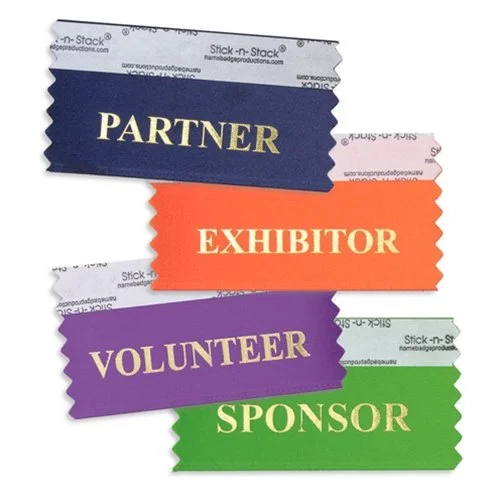
If you’re a member, don’t pay like a stranger. Check what your membership already covers.
The best events reward the people who support them all year.
If you already belong to the organization behind the event, or subscribe to its products, your relationship should carry into the event. Too often it doesn’t, and members pay the same as everyone else.
Ask what you get. Strong events offer member discounts, dedicated spaces to meet experts and leadership, and bundled extras, such as a trial of a paid product or service, built into the registration fee. Some include event access in premium membership tiers. If your membership level includes a pass, use it.
4. The Value Should Outlast the Event
Most event content vanishes the moment the session ends. You take a few notes, and a week later you can’t remember who said what.
Look for organizers who publish a post-event analysis: a summary of what speakers said, with claims checked and key takeaways pulled out. It gives you something to share with your team, and it is a sign the organizer takes its role as a trusted voice seriously.
5. Sponsors Should Add Value, Not Noise
Sponsors pay for much of what makes an event possible. But when sponsored sessions crowd the main stage, the content turns into advertising, and you lose an hour you came to learn in.
The best events keep the main program clean and give sponsors their own space: side stages, demonstrations and smaller satellite sessions. That is good for you. You can seek out the vendors you want to hear from and skip the ones you don’t.
Watch, too, for experiences built around the destination: group outings, a welcome reception, a seated dinner, morning wellness sessions, an evening celebration. These are where relationships form. Don’t skip them for your hotel room or your inbox.
6. How You Find and Choose Events is Changing
Several shifts will change how you discover events and decide which ones to attend.
AI will help you choose. Assistants will increasingly compare events for you. Events that publish clear details about sessions, speakers and formats will be easier to evaluate. Those that don’t will be easier to skip.
Invitations will be easier to miss. As AI filters your inbox, event emails will slip past you. Follow the organizations you value through their communities, text alerts and social channels so you don’t miss the events that matter.
Side events will multiply. Expect more dinners and meetups hosted around major events, often by sponsors. Some are valuable. Some are sales pitches. Choose deliberately, and don’t let them pull you away from the program you paid for.
Space will fill faster. Venues are in high demand, and hotel blocks and limited sessions sell out sooner. Register and book early.
The Bottom Line
Your time is the most expensive part of any event. Spend it where the room is right, the format puts you in the conversation, and the value travels home with you. If an event can’t show you that, it hasn’t earned the trip.
Cahill Consulting helps organizations build events their industry wants to attend.