
7 Reasons Why Intermodal Could Be Your Strategic Advantage
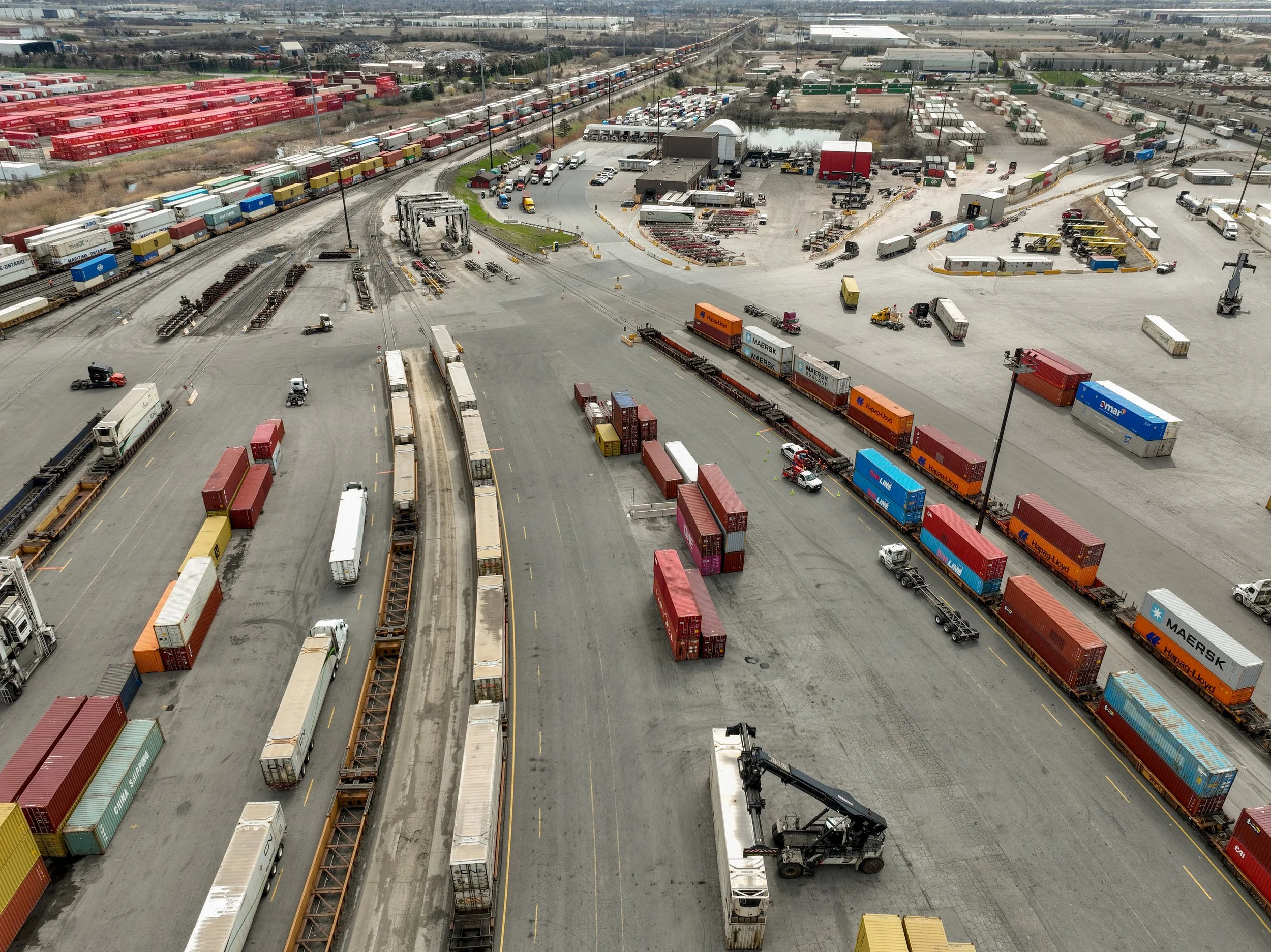
Should Load Providers Take a Fresh Look at Intermodal?
Intermodal isn’t a replacement for trucking. It’s the resilience layer modern supply chains need.
My recent work with the Intermodal Association of North America (IANA) gives me a front‑row view into how freight patterns are shifting and where the industry is headed. Through ongoing conversations with the team, I see firsthand how data, service performance, and network investments are reshaping the balance between trucking and intermodal. Intermodal transportation is the movement of freight using multiple modes, typically truck and rail, within a single, seamless shipment to improve efficiency, cost, and network performance.
That perspective informs the insights in this blog and underscores why more companies should be evaluating intermodal as a strategic part of their long‑haul freight mix.
Why More Companies Should Be Exploring the Shift From Trucking to Intermodal
For decades, long‑haul trucking has been the backbone of North American freight. It’s flexible, fast to deploy, and deeply embedded in how shippers plan and execute their supply chains. But the landscape is changing and for many companies, relying exclusively on trucking is becoming a strategic risk.
Intermodal isn’t a replacement for trucking. It’s a pressure‑release valve, a resilience strategy, and increasingly, a competitive advantage. Companies that explore the shift now are positioning themselves for a freight market defined by volatility, rising costs, and growing expectations around sustainability and reliability.
Here’s why the conversation can’t wait.
1. Truckload capacity may be tightening but volatility is here to stay
Even in softer markets, truckload capacity swings dramatically. Driver availability, fuel prices, insurance costs, and regional imbalances all contribute to unpredictable conditions. Companies that depend solely on trucking feel every shock.
Intermodal offers:
More stable long‑haul capacity
Reduced exposure to driver shortages
Predictable pricing over longer time horizons
It’s not about abandoning trucking. It’s about diversifying the risk.
2. Intermodal delivers meaningful cost advantages on long-haul lanes
For lanes over 700–800 miles, intermodal often provides:
Lower linehaul costs
Reduced fuel exposure
More predictable contract rates
As rail networks modernize and service reliability improves, the cost‑to‑value equation is shifting. Companies that haven’t revisited their modal mix in the last five years may be surprised by how competitive intermodal has become.
3. Sustainability expectations are rising. Intermodal is a proven lever.
Customers, investors, and regulators are all pushing for lower‑carbon freight solutions. Intermodal is one of the most effective tools available today, offering:
40–70% lower emissions compared to long‑haul trucking
Immediate, measurable progress toward environmental, social and governance (ESG) goals
A scalable solution that doesn’t require new technology or infrastructure on the shipper or broker side
For companies with public sustainability commitments, intermodal isn’t just an option - it’s a pathway to credibility.
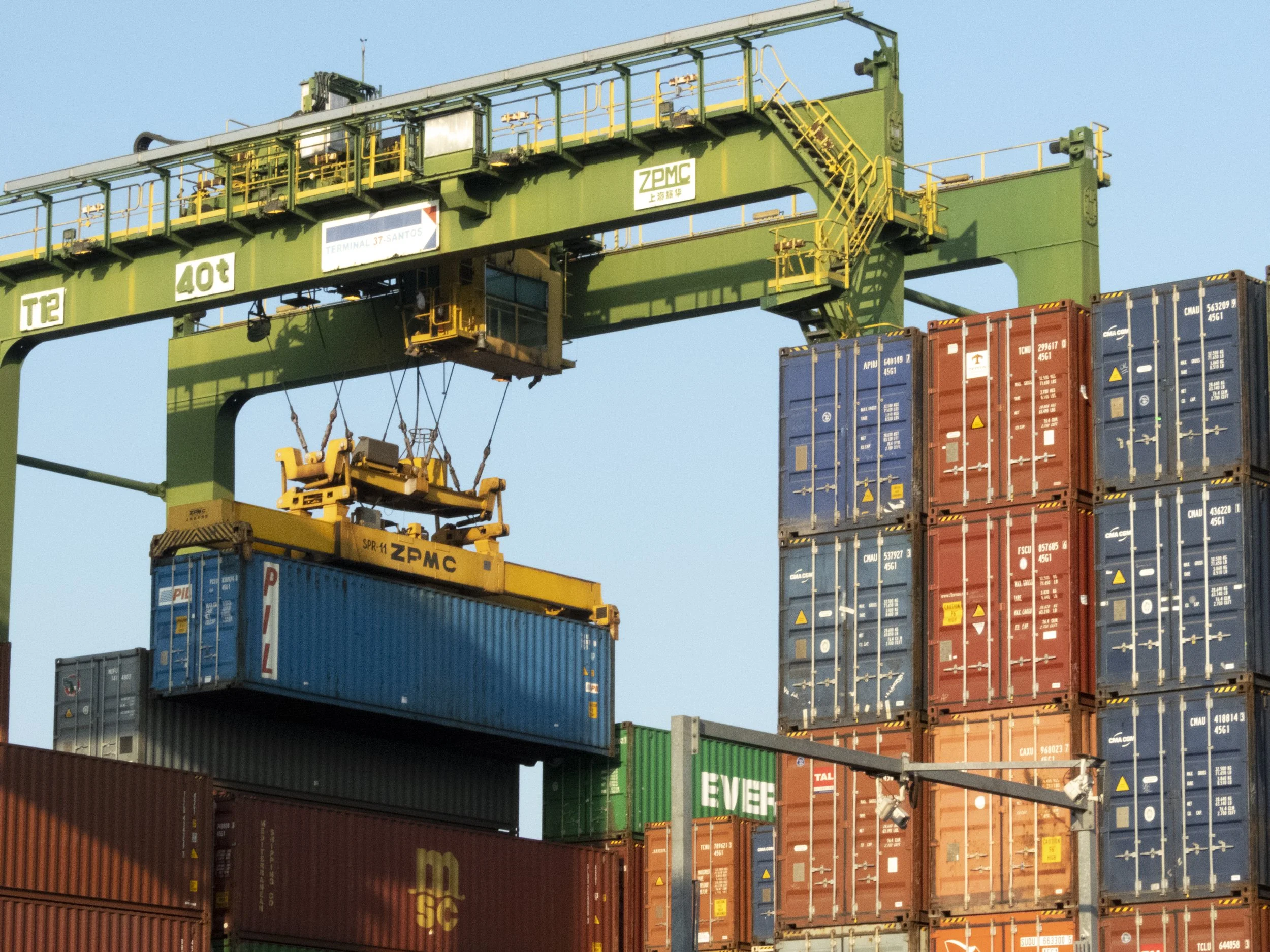
The Intermodal Network is Getting an Upgrade
Port expansions and terminal modernization are laying the groundwork for faster, more reliable intermodal service.
4. Rail service is improving, and network investments are paying off
Thanks to private and public investments, the last decade has brought:
Terminal modernization
Technology upgrades
Better visibility tools
More consistent schedules
Expanded inland connectivity
These improvements are reshaping perceptions of intermodal reliability. The service gaps that once kept shippers away are narrowing, and in many corridors, intermodal performance now rivals long‑haul trucking.
-
Companies with long‑haul lanes, steady freight volumes, predictable demand, and non‑urgent transit needs see the biggest gains. It works especially well for those shipping into major intermodal hubs or looking to reduce costs, stabilize capacity, and meet sustainability goals.
-
Look for long‑haul corridors (typically 700+ miles), consistent origin–destination pairs, and lanes that touch major intermodal hubs. If your freight moves in repeatable patterns and doesn’t require next‑day delivery, there’s a good chance intermodal can reduce cost and add resilience without disrupting your operations.
-
Freight that is non‑perishable, palletized, and not hypersensitive to an extra day of transit tends to perform best. Think replenishment loads, raw materials, consumer goods, packaging, building products, and anything with predictable weekly volume. These commodities gain the most from intermodal’s cost stability and lower emissions.
5. Modal diversification strengthens supply chain resilience
The most resilient supply chains share a common trait: they don’t rely on a single mode to do all the work.
Intermodal adds redundancy, flexibility, network optionality, and protection against regional disruptions.
When weather, labor issues, or highway congestion hit, companies with intermodal in their toolkit have more ways to keep freight moving.
6. The industry is entering a new era of data‑driven modal planning
Emerging research, like the NC State/Railinc study shows that even modest shifts from truck to rail can unlock:
Efficiency gains resulting in lower costs
Lower emissions
Better infrastructure planning
Reduced congestion
As data modeling becomes more sophisticated, companies can identify high‑impact lanes where intermodal is not just viable, but strategically advantageous.
7. Early adopters gain a competitive edge
Companies that explore intermodal now benefit from:
Stronger carrier partnerships
Better contract positioning
More predictable long‑term costs
A reputation for operational maturity
In a market where customers expect reliability and transparency, modal diversification becomes part of the brand.
PRO TIP: If you decide to test intermodal on a lane, don’t go it alone. Work with a specialist (check this list) - they are the commercial gateway to intermodal service in North America. The differences between booking a truck and moving freight via intermodal are enough to create real headaches if you’re not prepared.
The Bottom Line
Intermodal isn’t the right answer for every lane or every broker and shipper. But for many companies, not exploring it is becoming a strategic blind spot.
The freight system is evolving. Costs are climbing. Service expectations are rising. And the companies that take a proactive, data‑driven look at intermodal today will be the ones best positioned to compete tomorrow.
At Cahill Consulting, we help teams articulate the value of intermodal to stakeholders, build the partnerships that support growth, and develop strategies aligned with long‑term revenue goals.
If your team is exploring intermodal or just curious about where it fits in the supply chain, let’s chat. And don’t miss the wealth of insights and tools available from the experts at IANA. They’re an invaluable resource for anyone evaluating the shift.